 (210) 610.2332
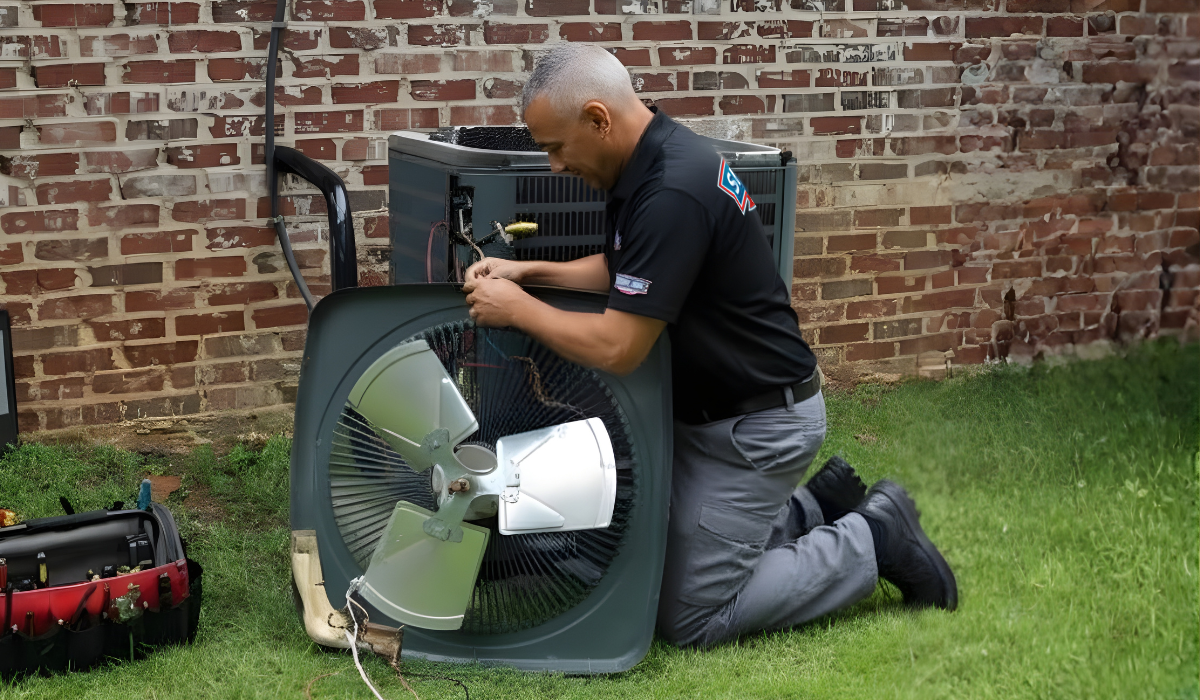
Maintaining a comfortable home year-round can often feel like a balancing act. Your HVAC system works tirelessly behind the scenes, providing warmth during freezing winters and cooling relief during scorching summers. Yet, even the most reliable systems can experience issues. Your air conditioner may start to lag during a heatwave, and your furnace might fail to ignite on a freezing night. Issues like these are more than inconvenient; they can become expensive problems if not addressed promptly.
Most common HVAC problems don’t appear out of nowhere; they usually show early signs long before a breakdown happens. Paying attention to these changes and addressing them promptly can save you money, reduce repair needs, and help you maintain a comfortable, safe home. In this guide, we’ll cover the most common HVAC issues, what causes them, and the practical steps you can take to resolve or prevent them.
What are the Typical HVAC Problems?
HVAC systems are complex, and when one component fails, the entire system is affected. Identifying common HVAC problems early helps prevent minor performance issues from turning into costly repairs. Staying proactive helps keep your equipment running smoothly and maintain consistent comfort throughout your home.
1. Dirty or Clogged Air Filters
Ever cranked up your heat on a chilly morning only to get a weak puff of air from the vents? Or noticed your energy bill skyrocketing for no reason? A clogged air filter is often the culprit. Dust and debris restrict airflow, forcing your system to work overtime.
Replace your filters every 1–3 months. Consider a filter subscription service; it’s a small step that keeps your HVAC system happy and your indoor air clean.
2. Refrigerant Leaks
Does your AC blow warm air even when the thermostat is set to the lowest setting? Low refrigerant levels usually signal a leak. Without enough refrigerant, your system can’t cool effectively, and running it in this state can damage the compressor.
Refrigerant repairs are not DIY-friendly. Call a certified HVAC technician to locate the leak, repair it, and safely recharge the system.
3. Thermostat Malfunctions
You set the thermostat to 72°F, but the living room feels like a sauna while the bedroom is chilly. Sound familiar? Dead batteries, wiring issues, or outdated controls could be to blame. These HVAC malfunction signs indicate that your system is cycling unpredictably, wasting energy, and reducing comfort.
Persistent HVAC system issues may require professional recalibration or replacement. Smart thermostats are an excellent upgrade—they learn your schedule and keep your home comfortable without constant adjustments.
4. Dirty or Blocked Ductwork
Are some rooms always hotter or colder than others? Dust, debris, or even mold in your ducts can block airflow, forcing the system to overwork. Think of it like water trying to flow through clogged pipes—it just can’t reach every corner.
Professional duct cleaning every few years clears buildup. In the meantime, vacuum vents and change filters regularly to prevent blockages.
5. Furnace Ignition or Pilot Problems
It’s freezing outside, and you turn on your furnace, but it won’t start. Or it clicks repeatedly before shutting off. Often, ignition issues or a stubborn pilot light are the culprit. Without a steady flame, your furnace can’t heat your home efficiently.
Check the pilot light or gas supply for simple fixes. If the problem persists, a licensed technician should inspect the gas valves or the ignition system to ensure safe operation.
6. Water Leaks and Drainage Issues
Noticed puddles around your AC or a musty smell from the vents? Air conditioners and heat pumps produce condensation that should drain safely. Blocked drain lines or damaged pans can cause leaks, water damage, or even mold growth.
Minor clogs can be cleared with a water-vinegar solution. If the blockage is severe or you suspect damage, it’s best to call a professional for a proper inspection of the AC system.
Expert Tips to Avoid Common HVAC Problems
Keeping your HVAC system in good shape doesn’t have to be complicated. A few simple habits and preventive steps can go a long way toward reducing breakdowns, improving efficiency, and extending your equipment’s life. Here are some expert tips to help you avoid the most common HVAC problems.
- Change filters regularly: quick, inexpensive, and effective at preventing the most common issues.
- Schedule annual inspections: Certified technicians can spot hidden faults early.
- Keep outdoor units clear: Remove leaves, debris, or snow to maintain airflow.
- Monitor thermostat use: Avoid rapid temperature swings, as they stress the system.
- Pay attention to sounds: Unusual noises are often early warning signs of bigger problems.
Conclusion
Your HVAC system may not demand attention every day, but when something goes wrong, you feel it instantly—whether it’s a home that won’t cool down or a furnace that refuses to stay lit.
Changing filters regularly, monitoring unusual sounds, and scheduling seasonal tune-ups are simple steps that keep your system running efficiently and extend its lifespan. For a reliable HVAC company in San Antonio, TX, Sigma Air Heating & Cooling is the go-to choice, ensuring your system stays in peak condition year-round.
If you need an expert, contact Sigma Air Heating & Cooling, your trusted HVAC company in San Antonio, TX.