
 (210) 610.2332
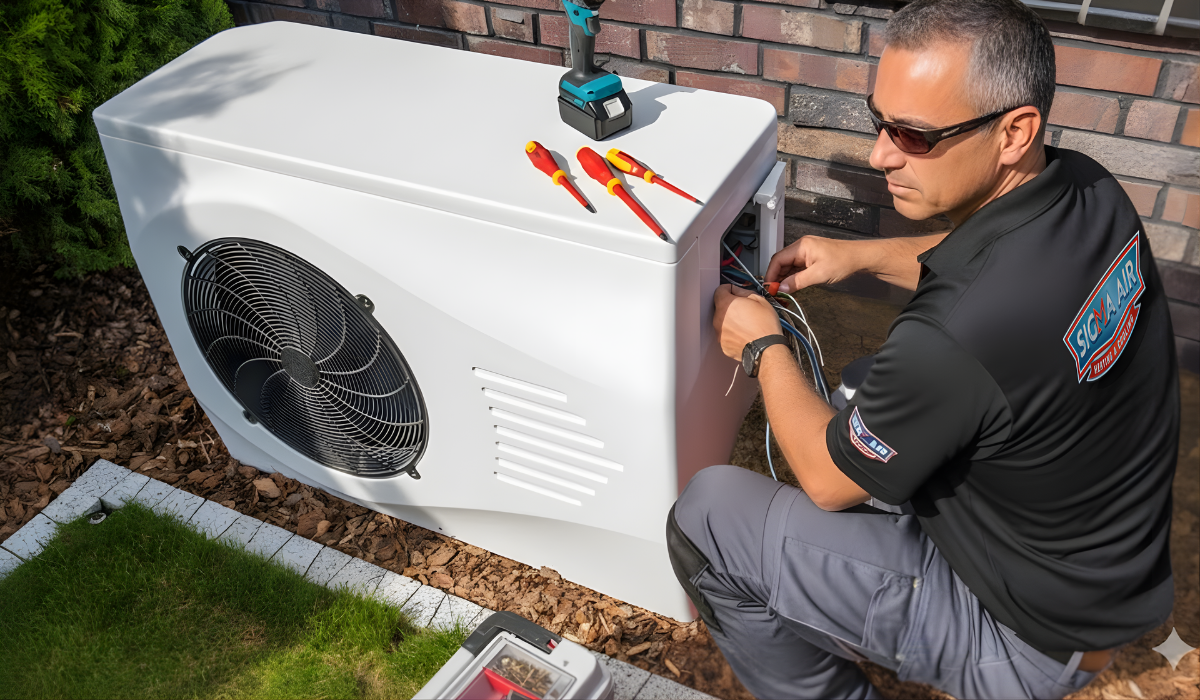
Installing a new air conditioner should never feel like guesswork. Before any system is installed in a home, the AC installation inspection steps guide the entire process. These checks help homeowners avoid comfort issues, high utility bills, and early equipment failures. They also help AC technicians size, place, and configure the system correctly.
Most homeowners only see the final result—the new AC running smoothly. What they don’t see is the detailed groundwork that goes into the installation day. That prep work sets the tone for how well the system will cool the home for the next decade.
If you’re planning to install a new cooling system, now is the time to understand what truly happens before the work begins. A thorough installation inspection sets the tone for comfort, efficiency, and long-term performance. Before you choose a system or an AC technician for installation, ensure your home is thoroughly evaluated—because the quality of this inspection determines how well your AC will perform for years to come.
Why Do Technicians Perform a Detailed AC Installation Inspection?
A proper AC installation inspection acts as the foundation for long-term comfort. Technicians want to eliminate surprises before the system goes in. They measure, test, and verify conditions that affect cooling, airflow, and energy efficiency.
The goal is simple: install the right system the right way the first time. Without these inspections, even top-tier air conditioners struggle. Homes get uneven cooling. Utility bills jump. The equipment works harder than it should. A careful installation check prevents all that.
Homeowners who book professional AC services often notice fewer breakdowns and smoother performance. That’s because technicians address problems early. They confirm that wiring, ductwork, refrigerant lines, and airflow conditions meet requirements before they ever lift the unit off the truck.
Here’s where the real inspection work begins.
. Home Evaluation and Cooling Load Assessment
Every home cools differently. AC technicians begin by examining the structure itself. Insulation affects temperature retention. Poor insulation forces an AC to run nonstop. During the AC installation inspection, technicians inspect attic insulation, wall density, and window conditions.
Measuring Home Size and Layout:
Square footage isn’t the only factor. Installers check:
- Floor count
- Room placement
- Ceiling heights
- Open floor plans
- Sun-exposed rooms
These elements affect the amount of cooling power the system requires. A wrong estimate leads to oversized units that short-cycle or undersized units that never catch up. South- and west-facing windows bring more heat into the home. Techs factor this into cooling-load calculations to accurately size the unit. Door gaps, attic penetrations, and leaky windows raise cooling demand. Professionals check for drafts to determine whether the system needs added capacity.
. Ductwork Evaluation
Ductwork determines how evenly a home cools. Even the best AC struggles with poorly designed ducts. Undersized ducts restrict airflow. Oversized ducts decrease air velocity. Both issues create uneven cooling.
Sizing and Condition:
Installers inspect:
- Duct diameter
- Length of duct runs
- Restricted bends
- Leaks or tears
- Old insulation
Static pressure tells techs how well air moves through the system. High pressure strains the blower motor. Low pressure reduces cooling output.Many homes lack enough return air. This forces the system to work harder and shortens equipment lifespan. Professionals include duct assessments in every AC maintenance service because airflow is the heart of AC performance.
. Refrigerant Line and Location Analysis
Before the new unit is installed, technicians verify refrigerant line requirements. Sometimes the entire line set must be replaced to protect the new system. They also confirm that the routing supports proper flow and long-term efficiency without stressing the compressor.
Line Set Length and Condition:
Older line sets may be incompatible with new refrigerants. Techs inspect for:
- Kinks
- Contamination
- Incorrect sizing
- Excessive length
The line set’s path affects system efficiency. Installers identify the safest, shortest route while ensuring future AC maintenance can access the system.
. Drainage and Condensate Management
Air conditioners remove moisture from indoor air. That moisture must drain properly. Techs inspect slope, blockage risk, and drain safety. A clogged drain can cause ceiling damage in a matter of hours.
Installing Emergency Drain Solutions:
Depending on the home, technicians add:
- Float switches
- Secondary drain pans
- Overflow cutoffs
These prevent water damage if the primary drain fails. Proper drainage checks are an essential part of a thorough AC installation inspection.
. Outdoor Unit Placement Inspection
The outdoor condenser needs breathing room. Restricted airflow makes the condenser run hot, increasing wear. Proper placement ensures the system dissipates heat efficiently and maintains consistent cooling throughout the season.
Clearance Requirements:
Technicians confirm:
- Minimum side clearance
- Overhead clearance
- Distance from fences and walls
The AC must sit level. Techs check soil conditions and install a stable pad. They may add vibration pads to reduce noise and extend the compressor’s service life. Shade improves efficiency, but airflow matters more. Installers choose a spot with proper ventilation.
. Thermostat Compatibility and Location
Smart thermostats, zoning controls, and older wiring can create compatibility challenges. Thermostat placement affects readings. Installers avoid:
Thermostat Wiring Inspection:
Techs check:
- Wire gauge
- Correct terminal connections
- Power availability for smart thermostats
- Walls near hot water pipes
This ensures accurate temperature readings and balanced cooling. Inconsistent temperatures often indicate an early warning sign of an air conditioner issue when the thermostat is installed incorrectly.
. Pre-Installation Safety and Code Compliance
Every region has installation codes. Technicians ensure the setup complies with local requirements. Wiring, disconnects, surge protection, and conduit must comply with applicable standards. Installers follow manufacturer guidelines to maintain warranties.
Local Mechanical Codes:
These may cover:
- Line set insulation
- Condensate disposal
- Refrigerant type regulations
Safety is always central to the AC professional technician process. Techs prepare a complete installation roadmap to minimize surprises and shorten installation time.
Conclusion
A careful inspection of AC installation isn’t optional. It’s the backbone of a reliable, long-lasting system. Professional technicians who take time to evaluate the home, ducts, wiring, refrigerant lines, and drainage deliver better results. They reduce early breakdowns. They improve airflow. They help homeowners save money on energy bills from day one.
For anyone planning a new AC installation, now is the right time to contact Sigma Air Heating & Cooling. Schedule a consultation, ask questions, and let our team walk you through your home’s needs. They make the entire process simple, modern, and stress-free.