 (210) 610.2332
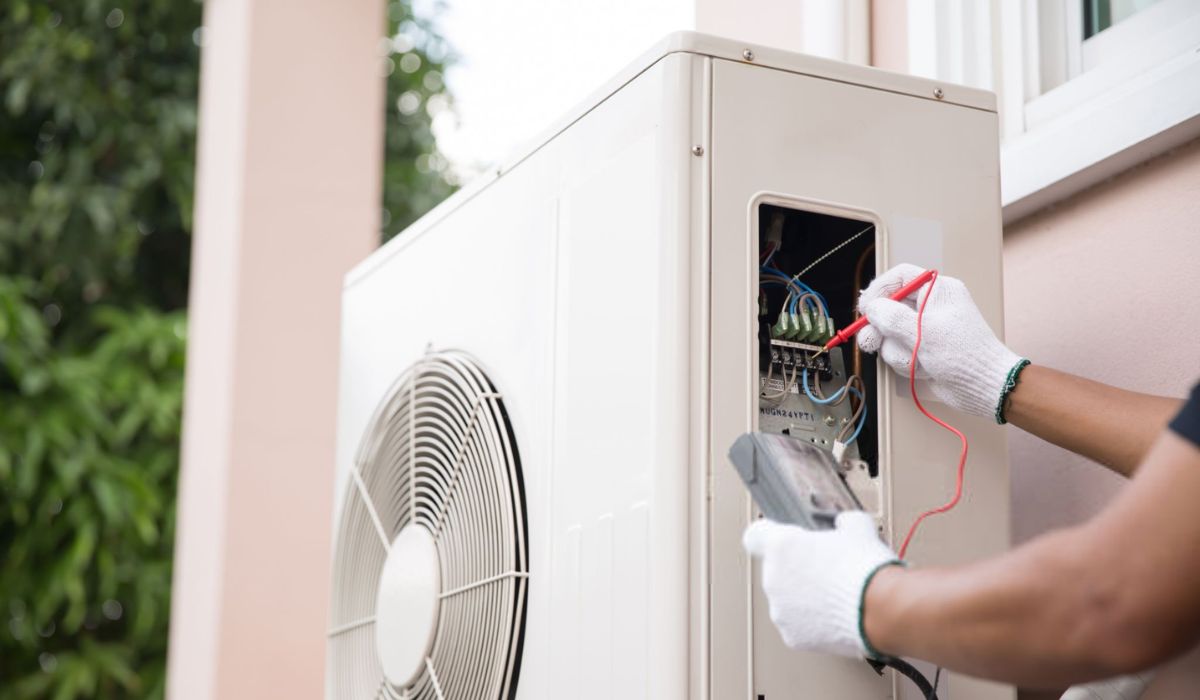
The core issue is that many homeowners wait until comfort declines or the system fails before seeking assistance. By that point, what could have been a routine service often becomes a far more complex and costly repair. Addressing problems early preserves system efficiency, prevents unexpected breakdowns, and maintains a consistent indoor environment through peak summer temperatures.
This explanation outlines the key indicators that an AC needs servicing, the reasons these issues develop, and their impact on overall system performance, giving homeowners a clear sense of when professional attention is warranted.
What are the Warning Signs Your Air Conditioning Needs Servicing?
Most cooling systems indicate the need for servicing long before a significant problem develops. Subtle changes in cooling performance, airflow, sound, or energy use often appear first, signaling that the system needs attention. Understanding these early signs helps homeowners act before minor issues escalate into major repairs.
The points below outline the most common indicators that an AC requires servicing and why responding promptly protects both comfort and efficiency. The most common signs homeowners should watch for are:
1. Weak or Uneven Cooling
Uneven temperatures or weak airflow are often the first signs homeowners notice that their air conditioner is failing. Rooms are no longer cooling evenly, and the system struggles to maintain comfort. Most of the time, the cause involves airflow restrictions, leaking ducts, low refrigerant levels, or a failing blower motor.
When performance drops, the AC starts working overtime, raising energy use and stressing components. This is when air conditioning repair services become essential, as technicians measure duct pressure, check coil performance, and restore proper airflow before the system deteriorates further.
2. Strange or Unusual Noises
A good AC should run quietly. When rattling, buzzing, clicking, or high-pitched squeals begin, something inside is wearing out or coming loose. These noises often come from failing motors, loose housings, blocked fans, or electrical issues.
Unusual AC noises rarely resolve on their own. They typically become more pronounced and can place unnecessary stress on key components, increasing the risk of significant damage. Addressing air conditioning repairs early prevents escalation and keeps the system stable.
3. Higher Energy Bills
Another early signal is rising energy bills. When costs go up, and the weather hasn’t changed, the system is losing efficiency somewhere. Dirty coils, airflow blockages, worn parts, and low refrigerant cause the AC to run longer than necessary.
Even small drops in efficiency show up in monthly bills. Homeowners who address this issue early often avoid bigger repairs and restore system performance through targeted repairs or a preventive HVAC maintenance check.
4. Warm Air From Vents
Warm or mildly cool air from the vents is a direct sign of a malfunction. Refrigerant issues, frozen coils, compressor problems, and thermostat failures can all stop proper cooling. Many homeowners notice this problem suddenly.
One day the AC works, and the next it blows warm air. Accurate temperature-split testing helps AC service technicians pinpoint the issue quickly and recover lost cooling capacity.
5. Frequent or Short Cycling
When an AC rapidly cycles on and off, it’s experiencing short cycling. This not only keeps the home uncomfortable but also puts heavy strain on the compressor. The causes often include airflow problems, thermostat issues, frozen coils, or oversized equipment.
When short cycling is ignored, it rapidly accelerates system wear and can lead to complete operational failure. A professional assessment verifies correct airflow, electrical integrity, and refrigerant levels, ensuring the issue is resolved before more serious damage develops.
6. Odd or Unpleasant Odors
Strange smells coming from vents are another strong indicator that the AC needs servicing. Musty odors often point to moisture buildup. Burning smells suggest electrical problems. Chemical-like odors may signal a refrigerant leak, and sour or rotten smells usually come from clogged condensate drains.
Any persistent odor indicates that something within the system is affecting air quality or performance. Technicians trace the source of the smell, clean the components, and correct the underlying issue before it spreads.
7. High Indoor Humidity
A working AC should remove moisture from the air. When indoor humidity rises, leaving rooms sticky or muggy, the evaporator coil likely isn’t removing moisture effectively. Low refrigerant, blocked airflow, or blower issues all reduce dehumidification.
When humidity stays high, the home becomes uncomfortable and may develop odors or condensation. Servicing prevents long-term moisture damage and restores balanced indoor comfort.
8. Water Leaks or Ice
Water around the unit or visible ice on refrigerant lines means the AC is in trouble. Frozen coils, clogged drain lines, and restricted airflow cause water to overflow or ice to build up.
These issues also weaken cooling performance, forcing the system to run nonstop. Without intervention, leaks can damage flooring and walls. AC technicians thaw the system, fix airflow restrictions, and inspect refrigerant levels to prevent future freeze-ups.
9. Thermostat Problems
Sometimes the AC isn’t the issue. Inconsistent temperatures, slow response times, or inaccurate readings often indicate a thermostat malfunction. Problems include faulty sensors, outdated wiring, misalignment, or poor placement.
When the thermostat sends the wrong signals, the system cools unevenly or cycles at the wrong times. Calibrating or upgrading the thermostat ensures reliable temperature control and avoids unnecessary repairs.
10. System Wear Over Time
Even the best AC loses efficiency over time. Once a system reaches ten to fifteen years, performance drops, repairs increase, and cooling becomes less consistent.
While AC cooling repair can extend its life, older units eventually become more expensive to maintain than replace. Technicians review coil condition, motor strength, compressor health, and airflow capacity to help homeowners make wise long-term decisions.
Final Thoughts
Spotting issues early is the most effective way to keep an AC system running smoothly. When homeowners respond at the first sign of declining performance, they prevent minor issues from turning into costly failures. Timely servicing restores efficiency, protects the equipment, and keeps the home consistently comfortable through the season.
If you’re seeing warning signs, don’t wait. Sigma Air Heating & Cooling brings decades of experience to every home, offering services including same-day AC repair, preventive maintenance plans, full-system replacement, and new HVAC sales and installation tailored to each household’s needs. We back our service with transparent pricing, honest assessments, flexible financing options, and responsiveness you can count on.
Contact us today to speak with a local HVAC expert or schedule an appointment online. Our teammembers will review your symptoms, dispatch qualified technicians promptly, and get your system running smoothly again.