 (210) 610.2332
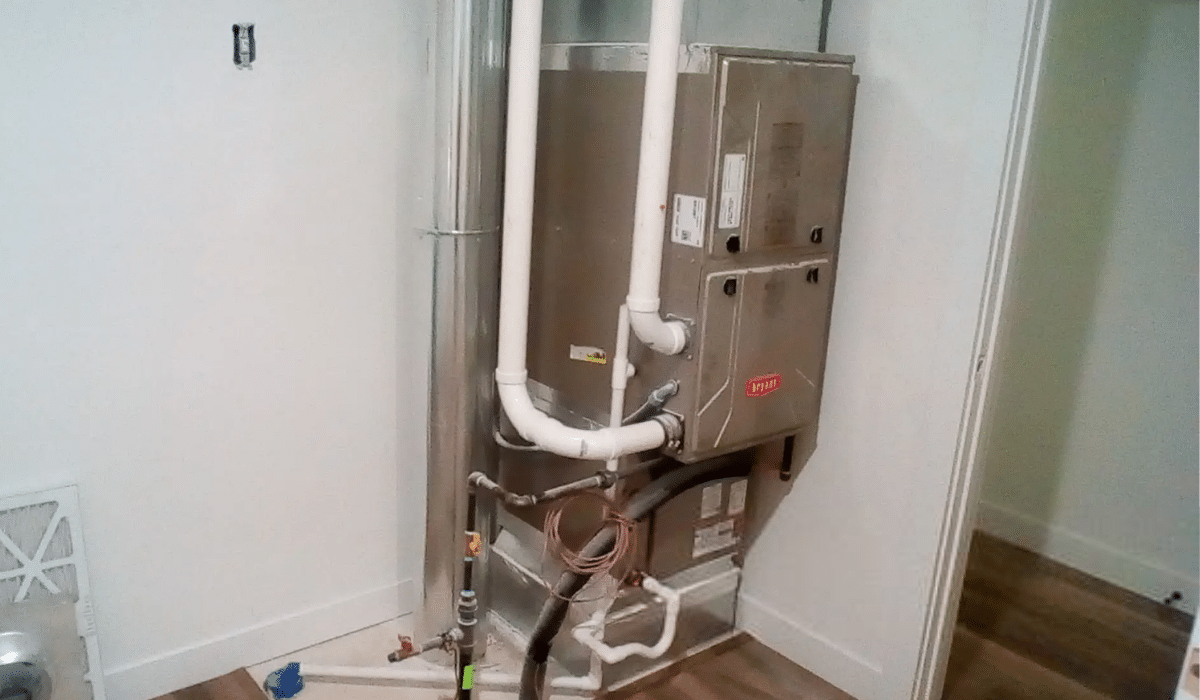
A furnace is supposed to do one job well. When it pushes cold air through the vents instead of steady heat, something is wrong. In San Antonio, this problem often occurs during the first cold stretch of the season. Systems sit idle for months, only to struggle when demand spikes.
The issue of my furnace blowing cold air has clear causes, and most of them are fixable when caught early. Understanding what is happening inside the system helps prevent higher energy bills, comfort problems, and unexpected breakdowns.
We explain the most common reasons a furnace delivers cold air, what homeowners should evaluate first, and when professional service becomes necessary.
Why Is My Furnace Blowing Cold Air When It Turns On?
Short bursts of cool air at startup are regular. A furnace requires time to preheat the exchanger before warm air flows through the ductwork. Problems start when cold air continues after the system has been running. When troubleshooting why my furnace is blowing cold air, it’s best to start by understanding how a furnace works, because the issues usually fall into one of three areas: ignition, airflow, or system controls. Each affects how heat moves from the furnace into living spaces.
Ignoring these signs allows minor faults to grow into expensive repairs. That is why early diagnosis matters. The furnace blowing cold air causes are:
1. Thermostat settings are misconfigured.
Thermostat issues are the top cause of furnace complaints. One wrong setting can make the system behave as if it is broken.
Common problems include:
- Fan set to ON instead of AUTO
- Incorrect heat mode selected
- Programming errors after a power outage
- Sensor calibration drift
When the fan runs continuously, it continues to circulate air even when the burners shut off. That air feels cold. Resetting the thermostat or switching the fan to AUTO often resolves the issue quickly. If the settings look correct but the problem persists, an internal thermostat failure may be the cause. At that point, professional inspection helps avoid guesswork.
2. Dirty air filters restrict airflow.
Airflow keeps heat moving safely through the system. When filters clog, the furnace cannot deliver sufficient air to the heat exchanger.
Restricted airflow leads to:
- Overheating inside the unit.
- Safety shutdowns that stop burners.
- Blower fan running without heat.
This sequence causes cold air to flow from the vents, even though the furnace is heating. Dirty filters are among the most overlooked causes of cold air blowing in residential systems. Replacing filters every one to three months protects both comfort and equipment life.
3. Pilot light or ignition system failure.
Older furnaces rely on a pilot light. Newer systems use electronic ignition. When ignition fails, the furnace cannot produce heat, but the blower may still operate.
Signs of ignition problems include:
- No visible flame
- Clicking sounds without heat
- Frequent system restarts
Gas supply issues, worn igniters, or sensor failure are often the cause of ignition loss. These components require trained handling. Attempting DIY fixes can create safety risks. Professional furnace repair in San Antonio, TX, safely addresses ignition issues and restores proper operation.
For homes that rely on boiler-based heating, professional boiler repair is the safest way to diagnose ignition, circulation, or heating problems before they lead to a full system shutdown.
4. Flame sensor contamination.
The flame sensor verifies burner operation. When it becomes dirty or coated with residue, it falsely signals flame loss.
As a result:
- Burners shut down seconds after ignition.
- The blower continues to run.
- Cold air moves through the vents.
This issue mimics larger failures but often requires simple cleaning. Regular maintenance prevents sensor buildup and nuisance shutdowns.
5. Duct leakage and heat loss.
Ductwork delivers heat to every room. Leaks allow warm air to escape before reaching living spaces.
Leaky ducts cause:
- Cold air sensation at vents
- Uneven room temperatures
- Longer system run times
In older homes, disconnected or poorly sealed ducts cause common furnace airflow problems that reduce comfort even when the furnace is operating correctly. A duct inspection identifies pressure loss and restores efficient heat delivery.
6. Oversized furnace short cycling.
Bigger is not always better. An oversized furnace heats too quickly, then shuts off before evenly distributing warm air.
Short cycling leads to:
- Cold air bursts
- Uneven heating
- Increased wear on components
Proper system sizing matches heating output to home demand. If oversizing exists, airflow adjustments or zoning improvements may reduce symptoms.
7. Condensate drain problems.
High-efficiency furnaces produce condensation. When drains clog, safety switches shut down burners to prevent water damage.
Symptoms include:
- The furnace starts, then stops heating.
- The fan continues running.
- Cold air circulates.
Regular maintenance keeps drain lines clear and safety switches functioning. This allows the furnace to produce heat without unnecessary shutdowns.
8. Gas supply interruptions.
Gas furnaces depend on steady fuel delivery. Partial shutoffs, valve issues, or supply pressure drops interrupt combustion.
Without fuel:
- Burners fail to ignite.
- Blower runs independently.
- Cold air fills the ducts.
Licensed technicians check gas pressure and valve performance during inspections. Addressing supply issues early helps restore consistent heat and avoids safety risks.
9. Blower motor or control board issues.
The blower moves air. Control boards regulate the timing between heating and circulation. When either fails, air moves at the wrong time or at the wrong speed.
Common signs include:
- Continuous fan operation
- Delayed heating cycles
- Temperature swings
These problems often require part replacement. Catching them early limits damage to other components and keeps repair costs lower.
Final Thoughts!
The furnace blowing cold air likely indicates issues with airflow, ignition, or system controls. Minor issues escalate quickly when ignored. Early action saves money and restores comfort faster.
For homeowners seeking a trusted HVAC contractor in San Antonio, TX, look for one that delivers precise diagnostics, honest recommendations, and long-term solutions. Our technicians focus on system health, not quick fixes – every service call centers on safety, efficiency, and lasting comfort.
Contact Sigma Air Heating & Cooling today to schedule a professional furnace inspection. Call us or request service online to get clear answers, dependable repairs, and comfort restored with confidence.