

 (210) 610.2332
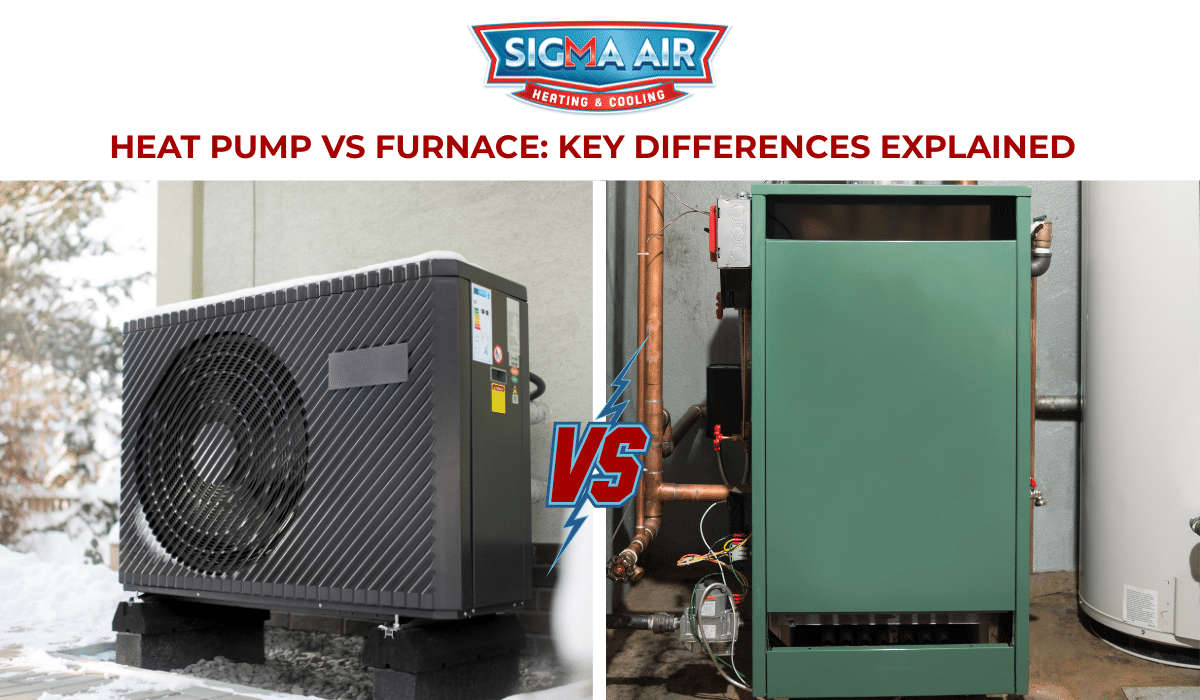
Choosing between a heat pump and a furnace is more than just a comfort decision; it directly affects your energy use, monthly expenses, and long-term savings. The system you install today will influence how efficiently your home stays warm for many years to come. In fact, the U.S. Department of Energy reports that heating accounts for nearly 45% of energy use in a typical American home, so selecting the right solution can significantly reduce your utility costs.
Because of this, carefully comparing a heat pump with a furnace is a smart, financially and practically sound step for any homeowner. Each system works differently, offers distinct benefits, and performs better under specific conditions. This guide breaks down the key differences between heat pumps and furnaces in plain terms, helping you determine which option best fits your comfort needs, climate, and budget.
What Is a Heat Pump?
A heat pump system is an energy-efficient method for heating and cooling a home or business. Instead of producing heat, it uses electricity to transfer it from one place to another. In the colder months, it extracts heat from the outdoors and delivers it to your living space. In the hotter months, it reverses itself to cool the home.
How Does a Heat Pump Work?
A heat pump transfers heat rather than generating it. It uses a refrigerant, a compressor, and a set of indoor and outdoor coils to transfer heat between spaces. In heating mode, the system draws heat from the outdoor air, even in cold weather, and pumps it indoors. To cool, it draws heat from inside the home and expels it outside, keeping the home comfortable year-round.
Types of Heat Pumps
Various heat pump options are available based on the intended use:
- The air-source heat pump is the most common. It circulates air over a coil, which can heat or cool your house by transferring indoor and outdoor air in opposite directions.
- A ground-source heat pump, or geothermal system, does the same thing: it moves heat from one place to another out of your living room, say, instead of into it. Rather than quietly supplying warmed air from outside, a geothermal system draws heat from the earth through underground wells.
- A gas-source heat pump. That’s much less common, but otherwise works like an air-source heat pump, with a natural-gas-powered coil that boosts the unit’s output.
What Is a Furnace?
A furnace is a traditional central heating unit that supplies heat by burning fossil fuels or using electricity. It is still a popular option, particularly in areas with cold weather that demands constant, powerful heating throughout the Winter.
How Do Furnaces Work?
Using ducts, furnaces circulate heated air throughout your house. When the thermostat signals it’s time to heat, your unit activates its fuel source or electric elements and produces heat. A blower then delivers heated air into your ductwork, ensuring uniform temperatures throughout your home.
Types of Furnaces
Based on the usage, furnaces can differ as follows:
- The most common is a gas furnace. It’s much warmer than an electric furnace, Powers said, because gas combustion generates higher temperatures than electricity. The downside is that these furnaces produce carbon monoxide, a poisonous gas, as well as other fumes, which must be appropriately vented to keep your home safe.
- The only difference between a natural gas furnace and a propane furnace is that the former burns propane. While these furnaces can be more efficient than natural gas furnaces, the gains may not matter when propane is the most expensive fuel. And again, there’s the carbon monoxide issue.
- An electric furnace responds to calls for heat by warming a heat bank, which in turn raises the temperature of the air (which is then blown through your house). The beauty here is that there’s no combustion, so there’s no risk of fire or carbon monoxide leaking into your living space.
Key Differences Comparison of Heat Pump vs Furnace
Although both heat pumps and furnaces primarily heat homes, they operate differently, use different performance metrics, and are better suited to homes in different climates. Knowing these differences can help a homeowner decide what is best for them and be more prudent in the long run.
-
Energy Source
Most heat pumps are electric. That means they use electricity to move heat from one place to another, rather than generating heat directly. Furnaces, however, often use natural gas, propane, or oil as a heat source, either by combustion or by resistance heating.
-
Heating Method
A heat pump moves heat from the outside air, ground, or water into a home. And because it moves rather than generating heat, the process is more efficient. Furnaces generate heat by burning fuel or by heating electric elements, then distributing the warm air through ductwork.
-
System Capability
Heat pumps deliver both heating and cooling in a single system. They operate as an air conditioning unit in summer and in reverse mode throughout winter. Furnaces generate heat only and will need an air conditioning system to cool your home.
-
Efficiency Levels
Heat pumps can also be effective in moderate to mild climates and can deliver more heat than the electricity they consume. In icy conditions, their effectiveness can diminish. Furnaces operate at the same level regardless of temperature, but are less efficient when heating a home.
-
Installation Costs
Heat pumps are usually more expensive to install initially, especially if ductwork or electrical upgrades are required. Furnaces generally have lower upfront installation costs, so furnace Installation in San Antonio, TX, is popular with homeowners who might be a bit tighter on budget.
-
Operating Costs
While heat pumps can be more expensive upfront, they typically result in lower monthly energy bills because they’re highly efficient. Furnaces may be cheaper to install, but depending on fuel prices, they can cost more over time.
If you’re weighing long-term repair costs, efficiency loss, and system age, this guide on when it’s time to upgrade your home’s heating system can help you decide when replacement may be the smarter move.
-
Maintenance Requirements
Heat pumps typically require more maintenance than other HVAC systems because they operate year-round. A standard furnace needs maintenance every winter, while heat pumps require servicing more than once a year.
-
System Lifespan
Because they operate year-round and experience increased wear and tear, heat pumps typically do not last as long as furnaces. Under ideal circumstances and with routine maintenance, such as cleaning furnace blowers, a furnace can last over 20 years. Failure to maintain the furnace may reduce its efficiency and lifespan. Correct maintenance helps increase lifespan and performance and prevents a reduction in lifespan.
-
Environmental Impact
Less reliance on fossil fuels makes operating electric heat pumps better for the environment than gas, oil, or propane furnaces. High-efficiency models reduce emissions, but even fully functioning furnaces and heat pumps still use fossil fuels.
Climate Considerations for Heat Pumps vs Furnaces
The area’s climate determines whether a heat pump or a furnace is suitable for a home. Each system has its own benefits, weather and conditions permitting, that you’ll want to consider when it’s time to decide.
-
Heat Pumps in Moderate Climates
Heat Pumps are best suited to regions with mild winters, and we primarily use them in areas where temperatures never quite reach freezing. In such cases, heat pumps can effectively extract heat from outdoor air for space conditioning. They can also heat and cool, making them a two-in-one solution if you have moderate seasonal temperatures year-round.
-
Furnaces in Colder Regions
In colder climates, with long months of freezing temperatures, furnaces are usually more reliable. They still deliver solid, reliable heat, no matter how cold it is outside. This reliability also makes furnaces particularly appealing in cold climates, where outdoor temperatures are often below freezing and air-source heat pumps are less efficient.
Conclusion
Heat pumps and furnaces both provide heating, but they have different strengths. The best option for you will depend heavily on your home’s climate, your comfort level, and how long you plan to stay in the property. It doesn’t matter if you are looking for heat pump installation in San Antonio, TX, or furnace installation. Knowing these differences helps ensure you are making the right choice.
When it comes to reliable service and top-notch installation, homeowners trust Sigma Air Heating & Cooling. With us, you enjoy quality, expertise, and total home comfort. Get in touch with us online. Contact our professionals or visit the website to schedule a consultation and receive an estimate. Let the professionals who care bring comfort to your home.