 (210) 610.2332
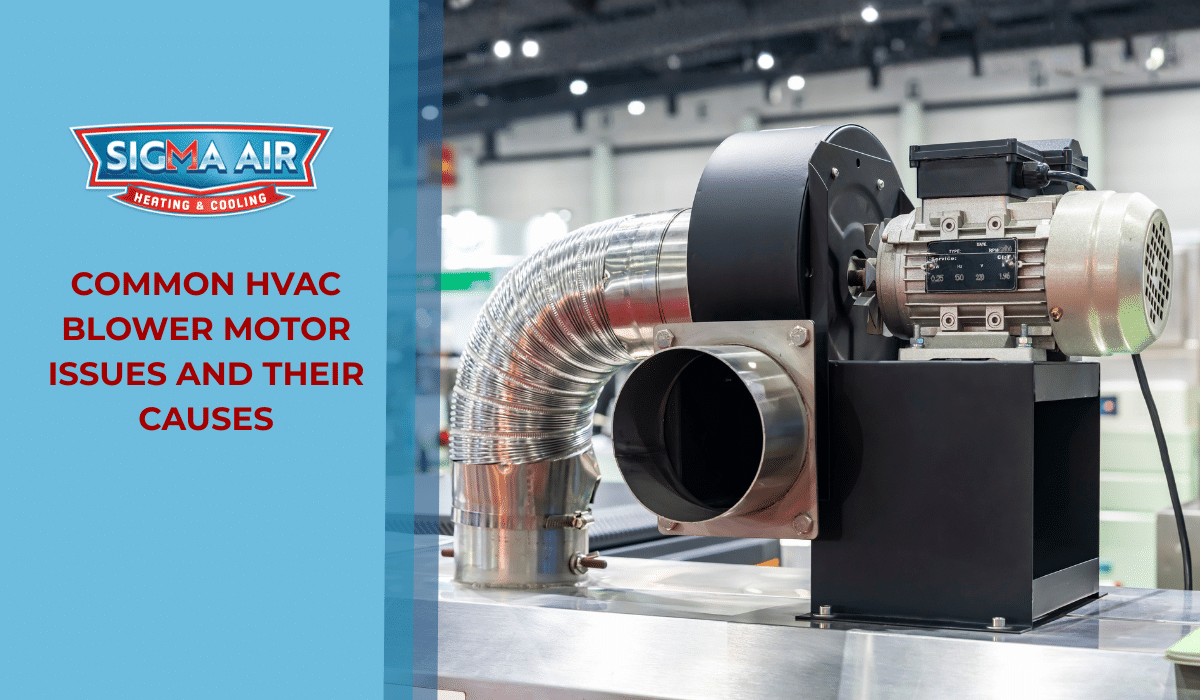
Airflow is what keeps a home comfortable. When an HVAC system’s blower motor craps out, that flow becomes nonexistent. For homeowners, the first sign that something is wrong isn’t a warning light but the silence of vents that have stopped delivering warm or cool air. One of the most common tasks technicians perform on heating and cooling systems is HVAC blower motor repair. Regardless of the reason, bad blower motor symptoms mean you can’t delay addressing them.
In this blog, we discuss the causes and symptoms of HVAC failure, why routine HVAC maintenance in San Antonio, TX, is so important, and how to address system failures that can lead to lost comfort.
What is a Blower Motor & Why Does It Matter?
The blower motor is an important component of the central heating and cooling system. The fan, which is easy to ignore but uses your ducts to distribute cool air throughout your house, is powered by this motor. In summer and winter, air circulation maintains a comfortable temperature in your house.
Even if your heating and cooling system can still generate hot or cool air without a working blower motor, it won’t be able to circulate that air, so your home will feel rather uncomfortable, and certain parts of the system may sustain damage, which could lead to the need for an HVAC blower motor repair.
Why Does the Blower Motor Matters?
- Continuous airflow: The cooling air is continuously circulated throughout your home rather than released in a sudden blast of heat or cold, thereby improving comfort.
- Energy efficiency: Enables your HVAC system to operate more efficiently, reducing energy consumption and waste.
- System longevity: Regularly servicing your blower motor reduces unnecessary strain on your HVAC system, extending its lifespan and saving you money.
- Comfort: Blower motors are designed to prevent overheating or overloading, which could damage the comfort system and AC components.
To keep the best AC ventilation from being impeded by a faulty blower motor, you should properly maintain your system. Maintenance and repair of the blower motor is more than simply replacing a broken part; they also help maintain your comfort and prolong the life of your system.
The Reasons Behind HVAC Blower Motor Issues
Understanding the causes of HVAC blower motor issues can help homeowners detect problems early and seek professional help when necessary. A faulty valve can cause insufficient airflow, inconsistent temperatures, or no heating. Here are common problems with HVAC blower motors and their potential causes.
1. Restricted Airflow and Dirty Filters
Restricted airflow is a leading cause of blower motor stress. When air filters get clogged with dust, dirt, or other debris, the blower motor must work harder to move air through your heating and cooling system. The additional load causes overheating, which, in turn, may lead to early motor failure.
The Causes Are:
- Dirty or old air filters
- Blocked vents or return grilles
- Accumulation of dust and other debris in the ducts
Changing filters regularly and removing obstructions from air vents will preserve airflow and reduce the load on the blower motor. One simple and effective solution to avoid premature motor breakdown is to keep air filters in good condition.
2. Worn Bearings and Mechanical Wear
The moving parts in a blower motor typically rotate at high speed. Bearings, which allow the motor to spin smoothly, can wear down over time. In this case, friction increases, making the motor prone to grinding, squeaking, or even failure due to increased resistance.
Worn Bearing Symptoms:
- Grinding or squealing noises
- Too much air handler vibration
- Motor overheating
Loose bearings produce more friction, which causes the noisy operation and high vibration. If these signs are ignored, the motor could burn out, necessitating a more expensive repair or a full replacement.
3. Electrical Failures and Faulty Capacitors
Electrical blower motor problems can cause significant driver frustration, especially when electrical issues are involved. The blower motors use capacitors to store energy and deliver an initial burst of electricity to start running. If the capacitor is no longer functioning, your motor may hum but will be unable to start. Furthermore, improper wiring or electrical connections may disrupt power flow, causing a system interruption.
Signs of Electrical Trouble:
- Blower hums but doesn’t start
- Circuit breaker trips
- Motor stops suddenly
For safety and accuracy, only a licensed technician should diagnose and repair an electrical problem. Never try to repair electrical problems yourself; it’s dangerous and could make the situation worse or damage the motor.
4. Overheating and Motor Stress
If the airflow is obstructed and the dryer motor works harder than it should, it can overheat. Blockages that restrict airflow, such as dirty filters or blocked vents, can cause overheating. Most of today’s blower motors incorporate thermoset protection that shuts down the motor if it overheats, preventing damage. However, continued overheating can wear out your motor.
Common Triggers of Overheating:
- Dirty filters
- Blocked vents
- The thermostat problem causes the unit to run for long periods
Motor burnout or unusual odors near the air handler are clear signs of a problem. If you notice any of these signs, have the motor inspected by a professional before it worsens.
5. Age and Wear-Out
Like all mechanical parts, blower motors have a lifespan. The lifespan of HVAC blower motors is typically 10 to 20 years, though usage, HVAC maintenance, and environmental factors also affect longevity. As the motor ages, its components deteriorate and its electrical resistance increases, which can cause blown fuses.
Symptoms of Age and Wear-Out:
- Reduced airflow
- Inconsistent temperature control
- High utility costs because your system is running inefficiently
On older units, it is not uncommon for them to require additional repairs or a replacement blower motor. Over time, the motor may experience reduced efficiency, uneven airflow, and, in some cases, total system failure. Routine HVAC maintenance saves energy and extends the motor’s lifespan, but every system eventually reaches a point where replacement makes better financial sense.
Conclusion
Many issues can cause HVAC blower motor failure, including restricted airflow, worn bearings, electrical problems, and overheating. Homeowners can prevent expensive system failures and make less expensive repairs by being aware of these problems and their causes.
If you’re noticing any of these, it’s time to get in touch with a pro for HVAC blower motor repair. Sigma Air Heating & Cooling is the professional choice for comfort and reliability at a price that fits your budget! Whether you need motor repair or replacement, the trained technicians have you covered.
Schedule an appointment online today for HVAC maintenance service in San Antonio, TX, and keep your HVAC system running longer.
Don’t let high energy bills win. Schedule your HVAC service today.