

 (210) 610.2332
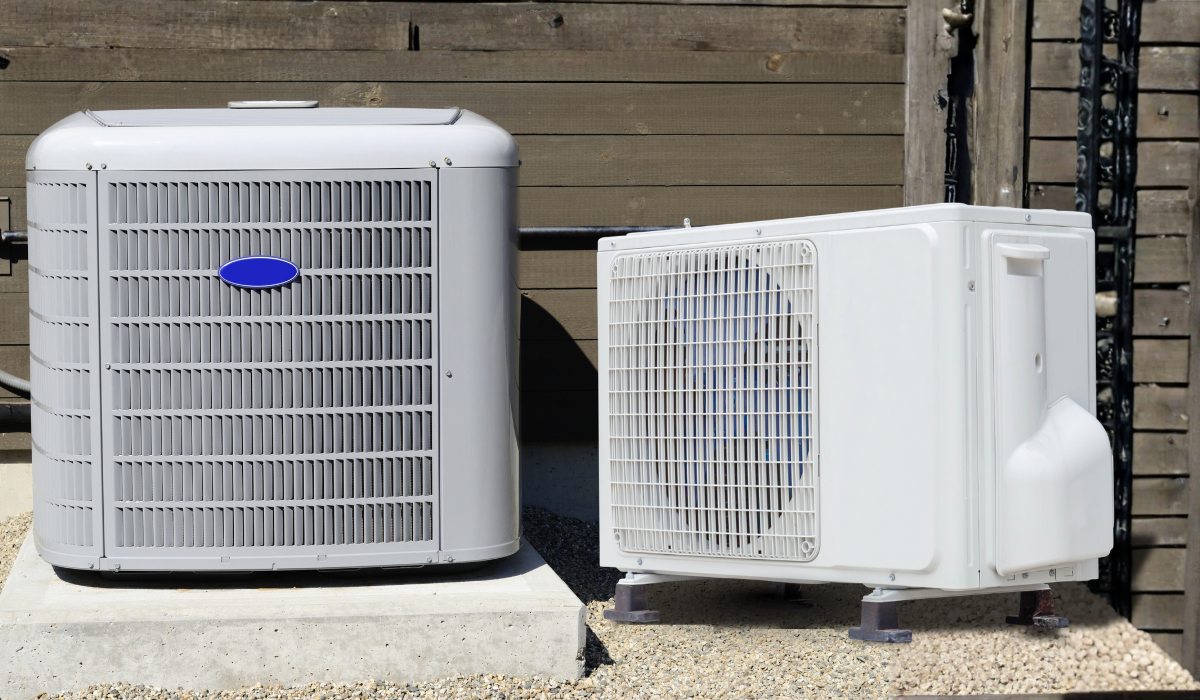
Are you struggling with high energy costs and ongoing maintenance issues? Is it affecting your home comfort? It is not only about peace of mind and cost savings, but also about ensuring your home is comfortable year-round. Comparing a heat pump vs an air conditioner is essential to making the proper selection.
Both systems have advantages, and understanding how each works can help you choose the one that best suits your climate, energy objectives, and overall costs. Heat pumps are more effective and provide year-round comfort, whereas air conditioners perform well in extreme heat and are generally cheaper.
Some people favour heat pumps for their versatility, while others favour air conditioners for their cooling performance. When you are not sure which system is the best fit, begin by determining your needs. Today, we will review the advantages, disadvantages, and applications of both systems so you can make an informed decision about which to use in your home.
How Heat Pumps Work?
A heat pump’s job is simple. It moves heat rather than creating it. In warm weather, it pulls heat out of your home and sends it outside, just like a standard air conditioner. When temperatures drop, the system flips its direction. Even in cold air, there’s still usable heat, and the heat pump extracts that energy and delivers it indoors to keep the home comfortable. This ability to both heat and cool efficiently is what makes heat pumps one of the most innovative all-season comfort systems for modern households.
Pros of a Heat Pump
- All-in-one heating and cooling system
- Higher energy efficiency compared to traditional AC + furnace
- Lower monthly operating costs
- Eco-friendly, fully electric, and compatible with solar
- Great for moderate climates
- Eligible for rebates and tax credits in many states
Cons of a Heat Pump
- Higher initial installation cost.
- Efficiency drops in below-freezing temperatures.
- May require backup heat, such as electric strip heat or a furnace.
- Lifespan can be shortened in cold regions because the system runs year-round.
When a Heat Pump Makes the Most Sense?
A heat pump is ideal for:
- Homes in mild or normal weather.
- Owners who want to minimize bills and maximize efficiency.
- Eco-conscious homeowners are switching away from gas.
- Houses without existing ductwork (ductless heat pumps/minisplits available).
- Hybrid systems paired with a furnace in cold states.
Efficiency drops in freezing temperatures, which affects any AC vs. heat pump efficiency comparison in colder regions. A heat pump isn’t just another HVAC option; it’s a practical, energy-smart solution for homeowners who want year-round comfort without relying on separate systems. When matched to the right climate and setup, it delivers reliable performance, lower bills, and a modern approach to home heating and cooling.
How Air Conditioners Work?
A standard air conditioner is designed for one purpose: cooling. It removes heat from inside the home and releases it outdoors using refrigerant, coils, and an electric-powered compressor. During the summer, this cycle helps maintain comfortable indoor temperatures. Because an AC cannot generate heat, a separate heating system or furnace is required when winter arrives. A few air conditioner warning signs can cause it to lose efficiency over time, leading to higher energy bills, frequent breakdowns, and uneven cooling.
Pros of an Air Conditioner
- Lower initial cost.
- Excellent cooling performance in hot or humid climates.
- Familiar with technology, with widely available repair and service technicians.
- Maintenance is generally simpler.
Cons of an Air Conditioner
- Only cools, requires a separate heating system.
- Double installation costs (AC + furnace).
- Often less efficient than heat pumps in moderate climates.
- Higher long-term energy bills.
When Is an Air Conditioner the Best Choice?
Air conditioners as home cooling options are best when:
- You live in a very hot or desert climate.
- You already have a working furnace.
- You want the lowest upfront cost.
- Heating needs are minimal or seasonal.
An air conditioner is ultimately the right fit for homeowners who prioritize strong cooling performance, want a lower upfront investment, or already rely on a separate heating system. When matched to the right climate and setup, it delivers dependable comfort through the hottest months of the year.
Cost Comparison: Heat Pump vs Air Conditioner
When comparing the overall costs of each system, consider how they differ in installation costs, energy use, maintenance requirements, and long-term savings. This breakdown provides a clear view of where each option offers the most value for your home.
| Category | Air Conditioning | Heat Pump |
| Installation Costs | Lower initial cost | Higher upfront cost, but may qualify for rebates and incentives |
| Operating Costs | Higher cooling bills, and you need a separate furnace for heat | Lower monthly bills due to high energy efficiency |
| Maintenance Costs | Simpler system, usually cheaper to maintain | Used all year so that maintenance can be slightly higher |
| Long-Term Savings | Moderate, depends on furnace efficiency and fuel prices | Saves more over time due to lower energy use and possible incentives |
Conclusion
When choosing between a heat pump and an air conditioner, the right choice depends on your home’s needs, climate, and budget. For long-term efficiency, cost savings, and year-round comfort, a heat pump is often the more intelligent choice, but an air conditioner still performs exceptionally well in hot climates or with an existing heating system.
For expert guidance and to ensure you select the system that maximizes comfort and efficiency for your home, contact the professionals at Sigma Air Heating & Cooling today. Our licensed HVAC experts can provide personalized advice and help you make the best decision for long-term value and performance.
If you need an expert, contact Sigma Air Heating & Cooling, your trusted HVAC company in San Antonio, TX.