
 (210) 610.2332
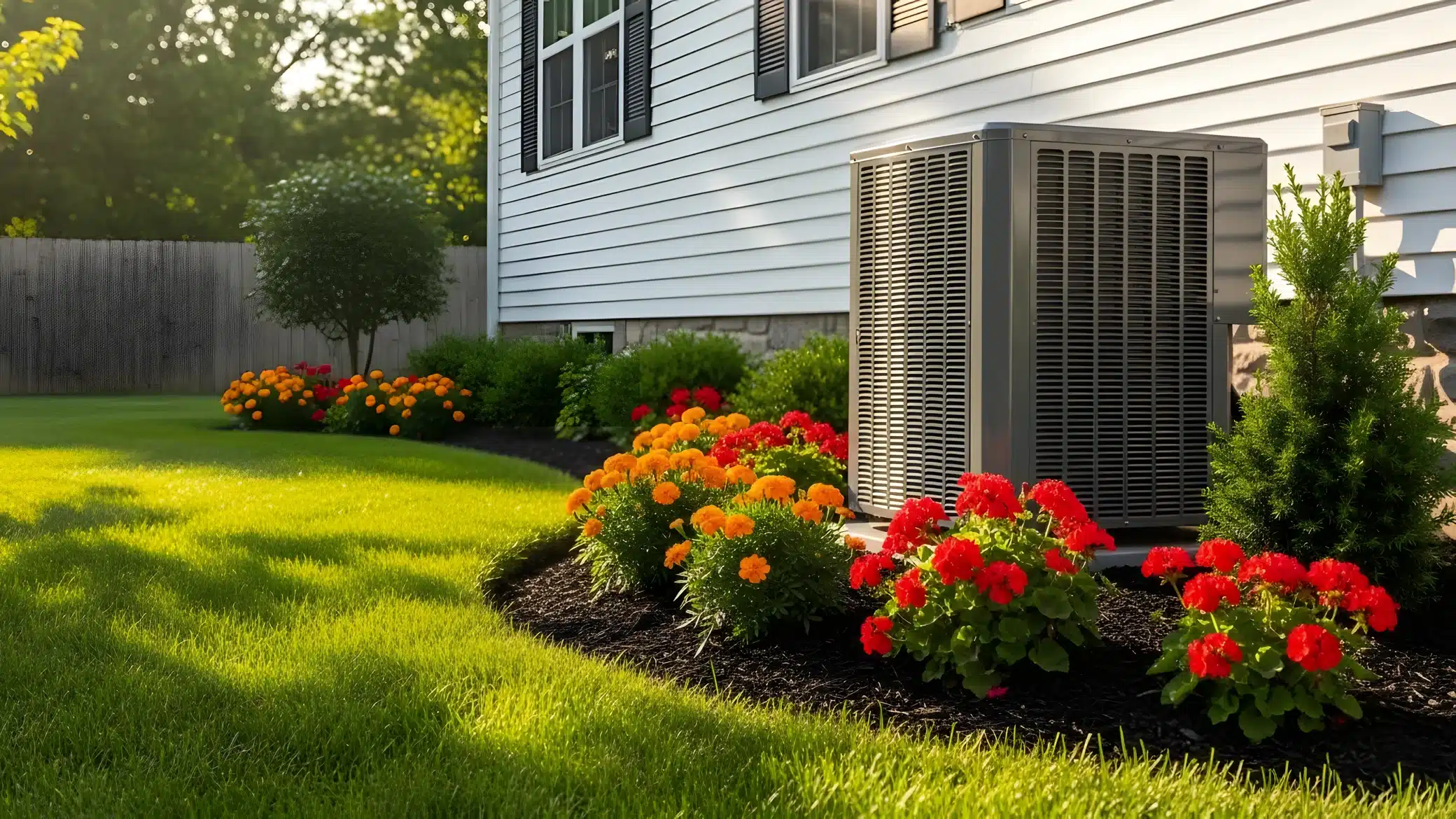
You should start thinking about a replacement HVAC system when your system is 15–20 years old. In the years since your last installation, heating and cooling technology has significantly changed. While this means a new system will provide more efficient service, it also means you’ll have to learn how to shop for replacement equipment.
Choose the Right Type of System for Your Home’s Layout
As you start looking for a replacement HVAC system, you might plan to stick with a central heating and air system. Before you make a final decision, talk to your HVAC installation company about mini splits and heat pumps.
Since San Antonio has a milder climate, a smaller unit might service your home more efficiently. You can avoid the lengthy installation of a furnace and central AC if you choose a heat pump that offers dual functions.
Why Should You Switch to a Mini Split System?
There are several reasons to consider a mini split as your replacement HVAC option. Since these units don’t connect to the ductwork, you can position them anywhere. They’re ideal in homes with open floor plans and unoccupied areas.
Installing multiple air handlers gives you the ability to create various climate zones throughout your home. In general, ductless mini splits give you tighter control over your home’s energy usage.
Determine the Ideal Size for Your Heating and Cooling Needs
You’ll want to focus on the proper unit size when shopping for a replacement HVAC system. While a heating and air conditioning expert can accurately assess the correct BTUs (British thermal units) for your home, you can estimate your needs.
On average, you’ll need 20 BTUs for every square foot of living space. A 1,000-square-foot home will need at least a 20,000 BTU system.
Why Shouldn’t You Buy an Extra-Large System?
It might seem logical to go large when replacing HVAC equipment. Unfortunately, the rapid cycling of an oversized unit can lead to multiple problems.
In addition to increasing the rate of wear and tear damage, oversized equipment will heat and cool your home too rapidly. This leads to short and frequent cycles. It also increases humidity levels. You might need additional dehumidifiers and fans to correct for the increased humidity, and that will decrease the home’s overall efficiency.
Investing in the right HVAC system can also make a significant difference in your property’s long-term value and comfort, especially for buyers exploring San Antonio Homes in today’s competitive real estate market. Energy-efficient upgrades are often attractive selling points, and homeowners can also explore additional strategies for adding value to their home before putting their property on the market.
Compare Energy Efficiency Ratings
In addition to looking for the right size, you’ll want to compare the SEER2 (seasonal energy efficiency ratio) of modern systems. While you can gain a more thorough understanding from an energy efficiency guide, the average recommendation for southwestern homeowners is a minimum 14.3 SEER2 rating.
Manufacturers test the equipment to determine its energy efficiency throughout an entire season. This means your new HVAC system uses less energy to provide the same level of comfort.
Get Expert Insight When Replacing Your HVAC System
When you partner with Sigma Air Heating & Cooling, we’ll conduct a comprehensive energy audit. Once we determine your home’s heating and cooling needs, we’ll guide you in choosing an energy-efficient option.
We also provide maintenance and repairs to ensure you get the most out of the new system. Contact us to request an estimate today!