
 (210) 610.2332
How Does a Furnace Work in winter? It becomes the quiet workhorse behind everyday comfort.. It turns cold mornings into warm starts and keeps homes livable as temperatures drop. Most homeowners adjust the thermostat without a second thought, yet few know what actually happens after that click. Understanding how a furnace works helps homeowners make informed decisions about maintenance, energy use, and long-term heating costs.
A furnace does far more than warm the air. It manages fuel or electricity, regulates airflow, filters dust and allergens, and distributes heat evenly throughout the home. When these parts work together, the system runs smoothly and efficiently. When one component struggles, comfort drops, and energy bills rise. Let’s break down the furnace heating process step by step and explain why it matters for everyday comfort and efficiency.
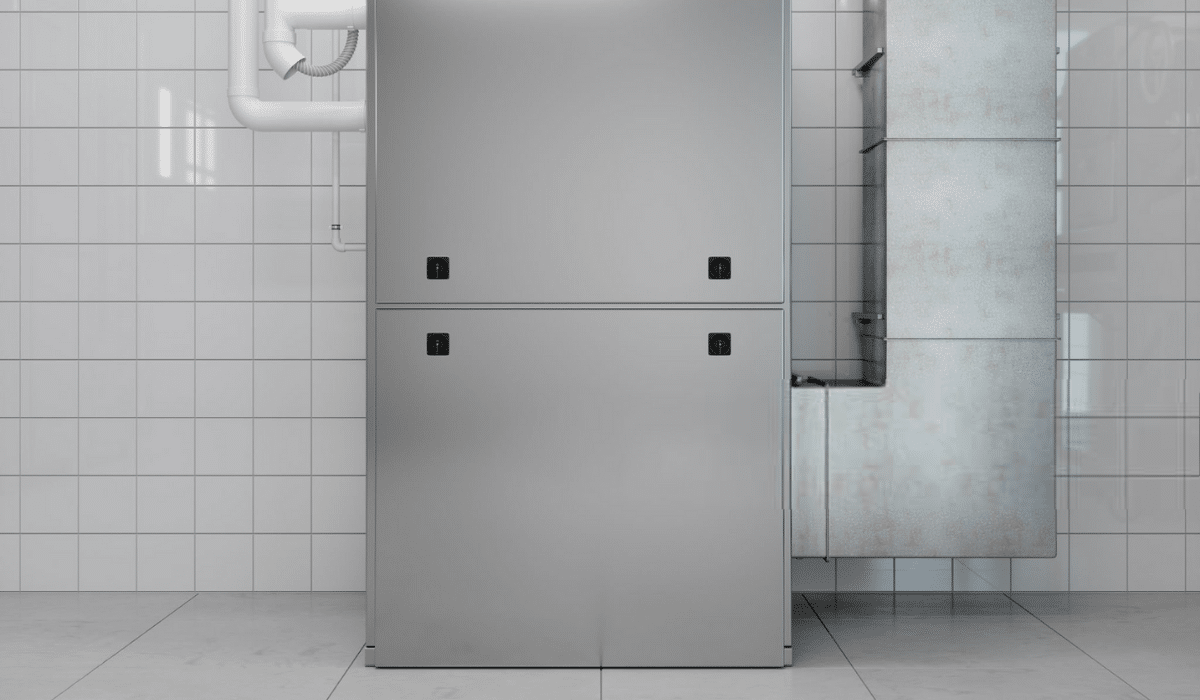
A furnace is the central heating system that warms air and distributes it throughout a home. It serves one primary purpose: maintaining a stable, comfortable indoor temperature during the colder months. Unlike space heaters or radiant systems, a furnace heats air at a central point and distributes it through a network of ducts to every room. This design enables consistent whole-home heating rather than isolated warm spots.
At its core, understanding how a furnace works comes down to three essential functions: heat generation, air movement, and temperature control. It produces heat using fuel or electricity, circulates air with a blower motor, and regulates operation via a thermostat. When these elements work together, the system delivers steady warmth with minimal energy waste.
Basic Working Process
When the thermostat detects that the indoor temperature has dropped below the set level, it signals the furnace to turn on. The furnace then generates heat either by burning fuel or by warming electric elements. Air from the home is pulled into the system, heated, and circulated back through the ductwork into the living spaces.
This cycle continues until the thermostat reaches the set temperature. In simple terms, a furnace heats air, circulates it through the home, and shuts off once the house is comfortable. This controlled cycle keeps indoor temperatures stable, efficient, and safe throughout the heating season.
Detailed Step-by-Step Breakdown of the Furnace Heating Process
Every Furnace heating process cycle follows a precise order. Each step depends on the one before it. When the sequence stays intact, the furnace runs safely and efficiently. Here is a detailed look at what happens during a complete heating cycle.
-
The thermostat calls for heat.
The process begins at the thermostat. When the indoor temperature drops below the set point, the thermostat sends a signal to the furnace control board. This signal indicates that heating is required. At this stage, no heat is produced yet. The furnace is simply receiving instructions to start the cycle.
-
Ignition system activates.
Once the furnace receives the call for heat, the ignition system engages. In gas furnaces, this typically uses a hot-surface igniter or electronic ignition. The igniter reaches a high temperature to initiate fuel combustion. In electric furnaces, this step involves energizing the electrical circuits that power the heating elements.
-
Burners ignite or heating elements warm.
In gas furnaces, the gas valve opens, allowing fuel to flow into the burners. The ignition source lights the gas, creating controlled flames. In electric furnaces, electricity flows through metal heating elements, rapidly heating them. This is the point where actual heat generation begins.
-
The heat exchanger heats the surrounding air.
The heat exchanger separates combustion gases from household air. As burners fire or elements heat, the exchanger warms. Air from the home passes over the outside of the heat exchanger. This air absorbs heat without coming into contact with combustion byproducts. This step is critical for both efficiency and safety.
-
Blower motor engages.
Once the heat exchanger reaches the required temperature, the blower motor engages. This timing prevents cold air from blowing into living spaces. The blower pulls cool air from the return ducts and pushes it across the heated exchanger surface. Because the blower motor plays such a critical role in airflow, dust or debris buildup can reduce efficiency. Following the steps to clean a furnace blower helps maintain proper airflow and prevents strain on the system.
-
Warm air flows through supply ducts.
After passing through the heat exchanger, the warmed air enters the supply duct system. From there, it travels through vents into each room. Proper airflow ensures even heating and consistent comfort throughout the home.
-
Cool air returns through return vents.
As warm air circulates, cooler air settles and flows back through return vents. This air reenters the furnace for reheating. The cycle continues until the thermostat detects the desired temperature.
Modern furnaces track each stage using sensors and control boards. If airflow drops, ignition fails, or temperatures exceed safe limits, the safety systems automatically shut down the furnace. These protections prevent overheating gas buildup and system damage while keeping the home safe and comfortable.
Final Thoughts
Understanding How Does a Furnace Work gives homeowners confidence. It explains why airflow matters and why installation quality cannot be rushed. A furnace is not just a box in the attic or garage. It is a system built on balance, timing, and precision.
For homeowners ready to improve comfort, efficiency, or reliability, Sigma Air Heating & Cooling stands apart as a trusted partner for furnace Installation in San Antonio, TX. Our team focuses on precision, not shortcuts. Every system receives careful sizing, proper airflow design, and attention to long-term performance. This approach protects comfort, reduces energy waste, and extends equipment life.
Choosing experience and craftsmanship over quick installs makes all the difference when comfort matters most. Take control of your home’s comfort this season. Contact professionals to schedule service today.