

 (210) 610.2332
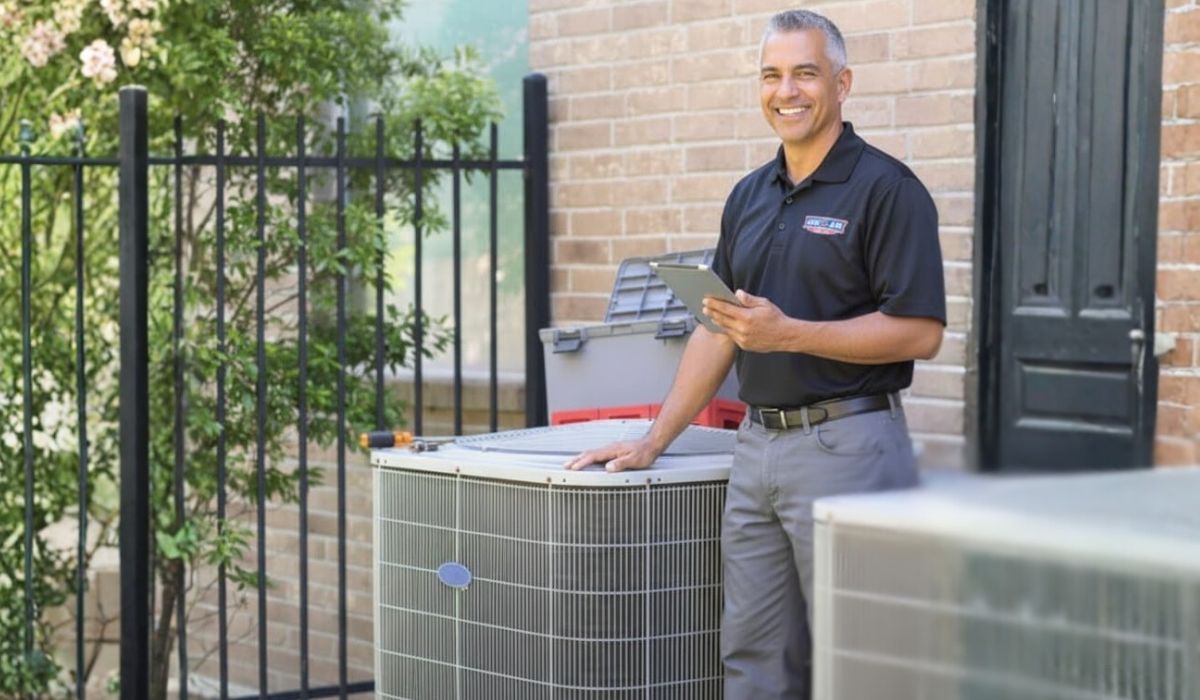
Many homeowners don’t know that skipping regular maintenance can lead to unexpected breakdowns, higher repair costs, and reduced efficiency, especially in San Antonio’s extreme weather. Dust, humidity, worn parts, and filter buildup quietly strain your system, and by the time problems appear, repairs can be costly and disruptive.
What is the best time to schedule an HVAC maintenance check? At a minimum, you need two HVAC tune-ups per year: one in spring for cooling and one in fall for heating. These visits ensure your system is ready for seasonal demands, allow technicians to spot minor issues before they grow, and keep your HVAC running efficiently.
Regular HVAC system maintenance breaks the cycle of costly repairs and ensures reliable comfort year-round. If you’re unsure when to schedule maintenance, this guide clarifies the best times to keep your system running smoothly.
Why Consistent HVAC Service Matters?
San Antonio weather shifts fast. Summer heat pushes cooling systems to their limits, while winter cold snaps demand quick, reliable heating performance. When the weather changes this quickly, an HVAC system without consistent care works far harder than usual. That extra strain leads to short cycling, warm-air complaints, refrigerant issues, and early component failure.
A routine tune-up helps keep the system running smoothly by improving airflow and stabilizing temperature control. It ensures the evaporator and condenser coils stay clean. It also supports strong blower performance, reliable ignition, safe electrical connections, and healthier energy use. Moreover, when these areas remain up to date, the home stays comfortable without forcing the system to fight through unnecessary stress.
These timely checks also help prevent sudden HVAC repair breakdowns, especially during peak seasons when repair wait times increase and costs rise. Regular care keeps the system ready for whatever the Texas climate brings next.
Best Timing to Schedule HVAC Maintenance Check
The best timing to schedule an HVAC maintenance check is key to ensuring your system runs efficiently and lasts longer. Regular inspections help prevent unexpected breakdowns and improve energy efficiency. Planning can save you from HVAC repair costs and keep your home comfortable year-round.
. Cooling Tune-up in Early Spring
This is the most important visit of the year. San Antonio heat arrives fast, and once temperatures climb, air conditioners run almost nonstop. A spring tune-up prepares the system for peak demand. Technicians clean coils, test refrigerant levels, and check airflow to keep the home cool without overworking the system.
. Heating Tune-Up in Early Fall
Cold fronts in Texas can be unpredictable, but they usually show up quickly. A fall service visit ensures the furnace or heat pump starts without hesitation. During this check, the technician tests ignition parts, safety controls, and heating output. This prevents late-night heating failures when temperatures drop suddenly.
. Filter Replacement Every 30 to 90 Days
San Antonio’s dust, pollen, and humidity clog filters faster than most homeowners realize. Replacing filters every one to three months helps maintain consistent airflow and reduces strain on the blower motor. Homes with pets or allergies often need more frequent changes.
. Extra Maintenance During Long Heat Waves
Extended periods of high heat force systems to run harder and longer. If the AC takes longer to cool or indoor humidity rises, a mid-season inspection helps catch common HVAC problems early before they lead to expensive breakdowns.
. Service After Construction or Remodeling
Even minor home renovations generate fine dust that settles inside HVAC equipment—scheduling a cleaning or inspection after construction helps protect coils, filters, and blowers from hidden buildup.
. Checkups When Performance Drops Suddenly
Any unexpected change, longer cycles, warm spots in the house, unusual noises, or higher utility bills mean the system needs attention. Scheduling a diagnostic visit at the first sign of trouble can prevent major repairs.
. Annual Duct Inspection Every 2–3 Years
San Antonio homes experience temperature swings that expand and contract the ductwork. Over time, this leads to leaks, loose joints, and energy loss. A duct inspection every few years restores efficiency and keeps conditioned air where it belongs.
What Does a Full HVAC Service Include?
A professional HVAC service repair covers all the parts that matter most. Technicians inspect, clean, and test components that affect performance and safety. A thorough inspection often includes the following areas.
Core System Inspection
- Thermostat calibration
- Blower assembly check
- Electrical testing and tightening
- Refrigerant level measurement
- Airflow balancing
- Drain line inspection
- Burner and ignition system testing
Deep Cleaning Tasks
- Outdoor condenser coil cleaning
- Evaporator coil check
- Filter replacement
- Condensate line flush
- Dust removal from internal compartments
These steps reduce hidden strain and help the system maintain strong output without wasting energy.
Final Thoughts!
A well-maintained HVAC system works harder for you, not against you. Seasonal care keeps the home steady through heat waves, cold fronts, and everything in between. Consistent tune-ups reduce emergency repairs, extend equipment life, and improve indoor air quality.
Furthermore, homeowners save time and money and encounter far fewer surprises. And when service comes from a trusted HVAC Company in San Antonio, TX, the difference shows up fast.
Sigma Air Heating & Cooling delivers that difference. Our team responds fast, explains every step clearly, and treats each home with genuine care. Our technicians focus on long-term reliability rather than quick fixes, which sets us apart from most companies in the region.
If your system has not had an HVAC service in recent months, now is the best time to schedule one. Call Sigma Air Heating & Cooling to schedule your next visit today. Reliable comfort starts with the right team. Choose Sigma Air Heating & Cooling and keep your home ready for the Texas climate year-round.