
 (210) 610.2332
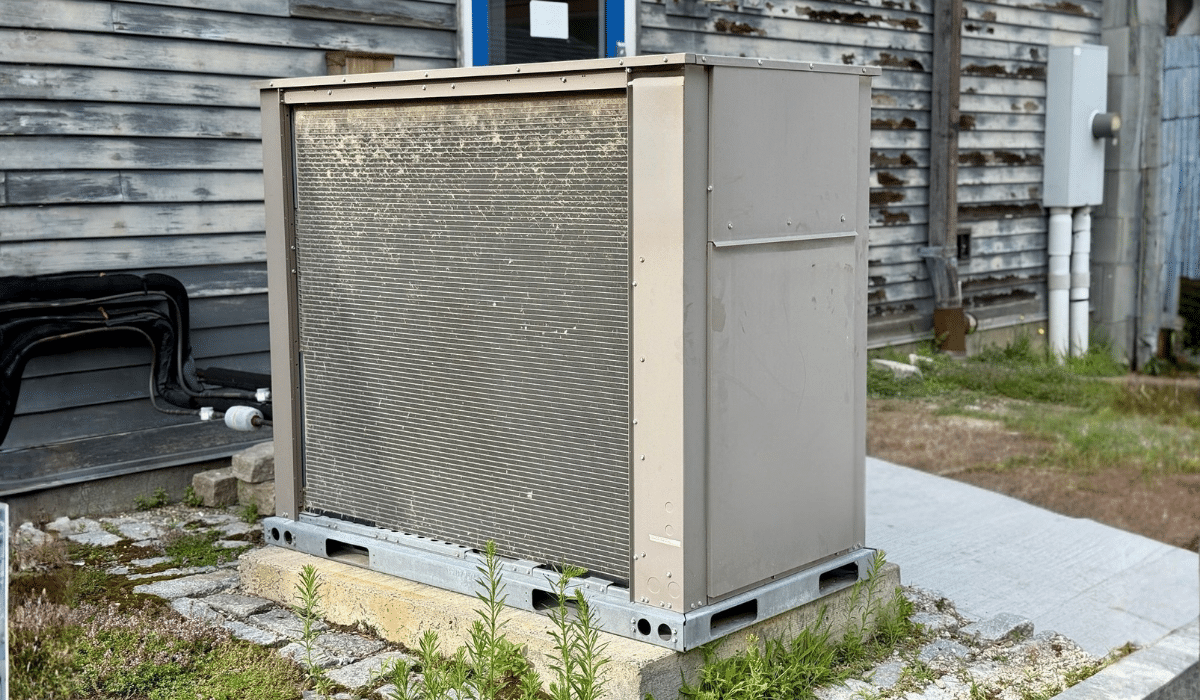
When a heat pump struggles in a Texas home, the cause is often hiding in plain sight. Restricted airflow, rising energy bills, and rooms that never quite cool down are usually caused by a neglected part of the coil. Cleaning it quickly restores efficiency, improves comfort, and prevents minor issues from escalating into expensive repairs.
San Antonio’s long cooling season, heavy humidity, dust, and pollen coat coil surfaces quicker than most homeowners realize. As the buildup increases, the system must work harder to dissipate heat; energy use rises, and cooling capacity declines. Wear on key components accelerates. Ignore it long enough, and even a well-maintained heat pump can start failing prematurely.
Let us show you how to clean a heat pump coil the right way, using HVAC best practices suited to Texas conditions. When done correctly, it protects the equipment, stabilizes indoor temperatures, and maintains comfort when heat puts the system to the test.
Why Heat Pump Coils Matter?
Heat pump coils handle heat transfer. That is their only job, and they do it nonstop. The outdoor coil releases heat during cooling and absorbs heat during heating. The indoor coil moves conditioned air into living spaces.
When dirt coats these surfaces, heat transfer slows. The system compensates by running longer cycles. That extra strain increases wear on compressors, fans, and electrical components.
This is where heat pump coil maintenance makes a real difference. Clean coils help the system reach target temperatures faster and shut off sooner. That keeps energy bills under control and reduces mechanical stress. Also, understanding the key differences between heat pumps and HVAC systems helps homeowners know why coil care matters so much, unlike traditional HVAC systems that rely solely on furnaces for heating.
How to Clean a Heat Pump Coil the Right Way?
Understanding how to clean a heat pump coil starts with knowing which coil you are working on. Indoor and outdoor coils require different approaches, tools, and safety steps.
-
Turn Off Power to the System
Cut power at both the breaker and the outdoor disconnect before touching the unit. This eliminates the risk of electric shock and protects sensitive components from accidental short circuits. Heat pumps cycle automatically, so shutting the power off completely is the only safe way to work on the system.
-
Clear Debris Around the Unit
Outdoor units pull air from all sides. Leaves, grass clippings, dirt, and overgrown plants restrict that airflow and trap moisture around the coil. Clearing the area and maintaining proper clearance allows heat to escape efficiently and prevents debris from re-entraining onto the coil after cleaning.
-
Remove the Access Panel Carefully
Most outdoor heat pumps allow coil access through a side or top panel. Removing it gently prevents stripping screws or bending the housing. Keeping track of screws and panels prevents misalignment later, which could cause vibration or rattling during operation.
-
Dry Brush Loose Dirt First
Dry brushing removes surface-level dust and debris without forcing it deeper into the fins. A soft brush protects the thin aluminum fins, which bend easily. Brushing in the direction of the fins preserves airflow channels and prepares the coil for adequate rinsing.
-
Rinse the Coil With Low-Pressure Water
Low water pressure prevents fin damage while still flushing out loosened dirt. Rinsing from the inside outward, when possible, pushes debris away from the coil rather than compacting it inside. This step restores airflow without stressing the coil structure.
-
Apply a Non-Acidic Coil Cleaner
Non-acidic cleaners are designed to lift grease, pollen, and grime without corroding the coil or surrounding components. Allowing the cleaner to dwell for the recommended time enables it to break down buildup safely rather than relying on aggressive scrubbing.
-
Rinse Thoroughly After Cleaning
Leftover cleaner residue attracts dust and can reduce efficiency over time. A complete rinse ensures the coil surface stays clean longer and maintains proper heat transfer. This step also prevents chemical buildup that could damage the fins.
-
Straighten Bent Fins if Needed
Bent fins block airflow and reduce heat exchange efficiency. A fin comb gently realigns them, reopening airflow paths across the coil surface. Straight fins help the system move heat efficiently and reduce strain on the compressor.
-
Clean the Indoor Coil Lightly
The indoor coil handles conditioned air and is more delicate. Light brushing and approved cleaners remove dust and biofilm without damaging the coil. Aggressive cleaning here can lead to leaks or reduced performance, so a gentle approach is essential.
-
Check the Condensate Drain Line
While the coil is accessible, inspecting the drain line helps prevent moisture backups. Blocked drains cause water leaks, mold growth, and higher indoor humidity. Clearing buildup ensures proper drainage and protects the air handler and surrounding areas. Drain line issues are common during both coil service and furnace maintenance, especially in high-humidity environments where moisture buildup can lead to corrosion and mold growth.
-
Reassemble and Restore Power
All panels must be secured tightly to maintain airflow balance and protect internal components. Once everything is reassembled, restoring power allows the system to resume regular operation without vibration or air leakage.
-
Monitor System Performance After Cleaning
A properly cleaned coil shows results quickly. Improved airflow, more consistent temperatures, and shorter run cycles are clear signs that heat pump efficiency cleaning tips have been applied correctly. Monitoring system performance over the next few days will help confirm that airflow restrictions have been removed and heat transfer efficiency has been fully restored.
Final Thoughts
Clean coils keep heat pumps efficient, reliable, and cost-effective. When coil care becomes routine, comfort stays consistent and energy waste drops. For homeowners who want dependable results without risk, working with a family-owned HVAC company in San Antonio, TX makes a real difference. Sigma Air Heating & Cooling brings hands-on expertise, honest service, and attention to detail that larger companies often miss. Our technicians focus on long-term system health, not quick fixes.
Schedule professional maintenance with us to protect efficiency, extend equipment life, and maintain comfort year-round. Call us directly or book a service online.